
The first website appeared on August 6, 1991. Since then, web designers have been on a constant quest for excellence. But it didn’t start out pretty.
The earliest websites were written by hand in HTML, and making them look good was no easy task. In the early 1990s, programmers wrote tedious lines of code just to put a single page online. Most sites were little more than lists of links and information.
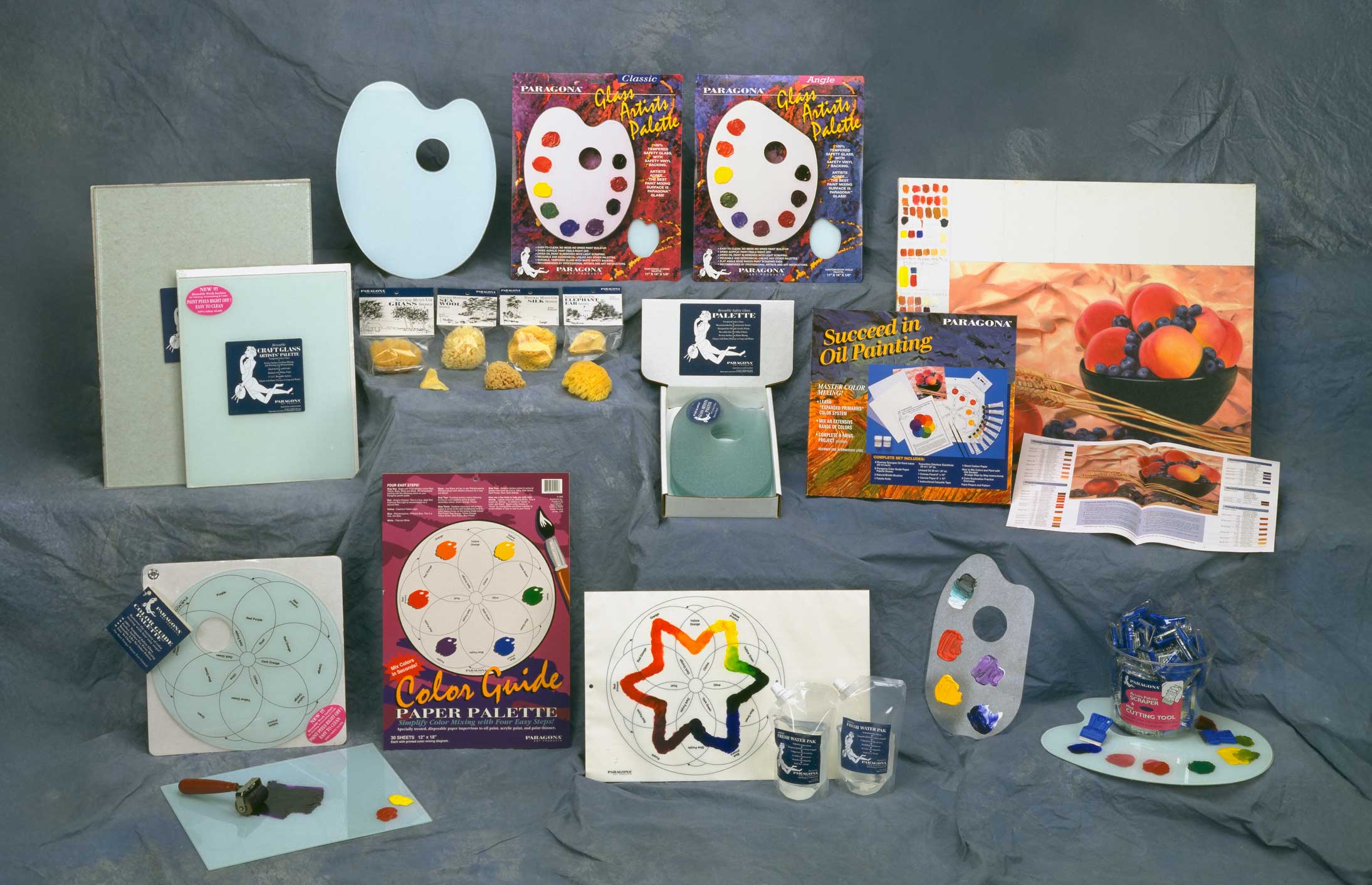
I watched the internet unfold in the mid-1990s while I was studying art and graphic design. At the time I was busy developing my own line of artist materials for Paragona Art Products, and I was far too focused on products and packaging to think much about web design. That is, until I needed a website myself.
Things changed quickly. By the mid-1990s, commercial websites were exploding across the web, and all you needed was a telephone connection. Research online, however, was slow and frustrating. Pages took ages to load or timed out completely, which is no surprise when dial-up modems topped out at 56 kilobits per second. If you were in a hurry, you were better off driving to the library.
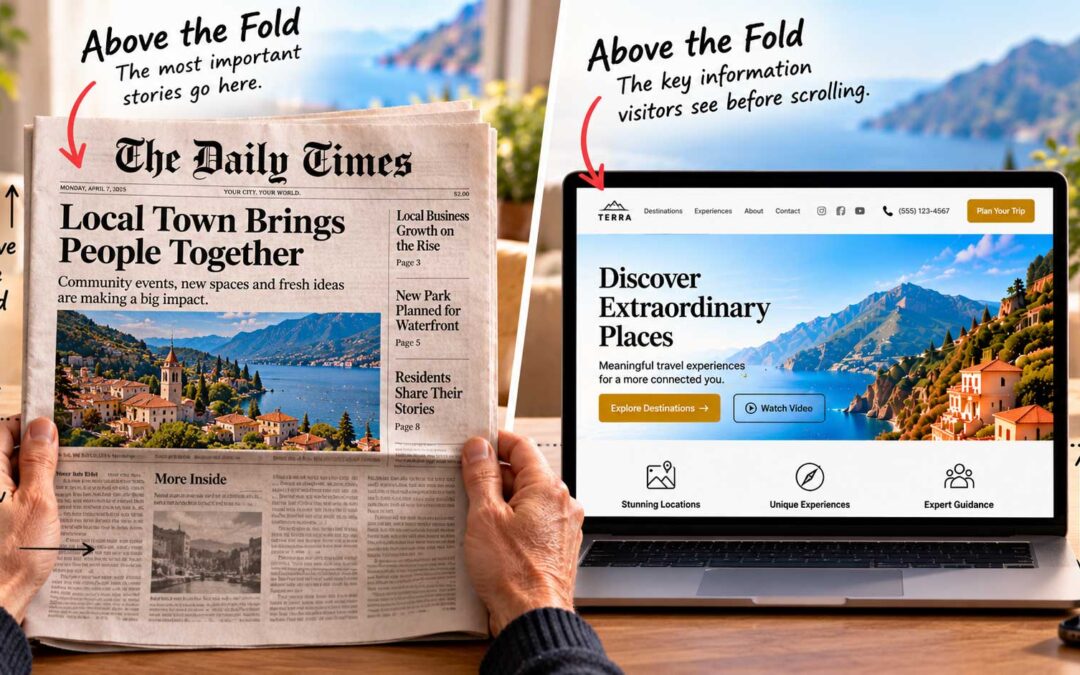
Borrowing from the newspaper. Early web pages looked a lot like newspaper and magazine front pages, because designers naturally copied the journalistic layouts they already knew. Many of those fundamental print rules still form the foundation of good web design today, as we’ll see throughout this series.
From pages to experiences. Today, connections are thousands of times faster, and website design has reached a level of sophistication that would have been hard to imagine in the dial-up days. Thanks to ongoing research and new technology, we now know far more about how people actually read and behave on a web page.
That knowledge has changed the job. Today’s web designers need to master UX (user experience) by creating a friendly UI (user interface) that guides people to the most important parts of a page. A good interface simplifies how people find and use information, so they can focus on what they came for.
The tools keep changing, but the goal hasn’t: communicate clearly, quickly, and beautifully. The rest of this series looks at the art, typography, science, and psychology that make that possible.