In the last post we looked at navigation, responsiveness, whitespace, hierarchy, color, and consistency. Here are six more qualities that separate websites that work from websites that simply exist.
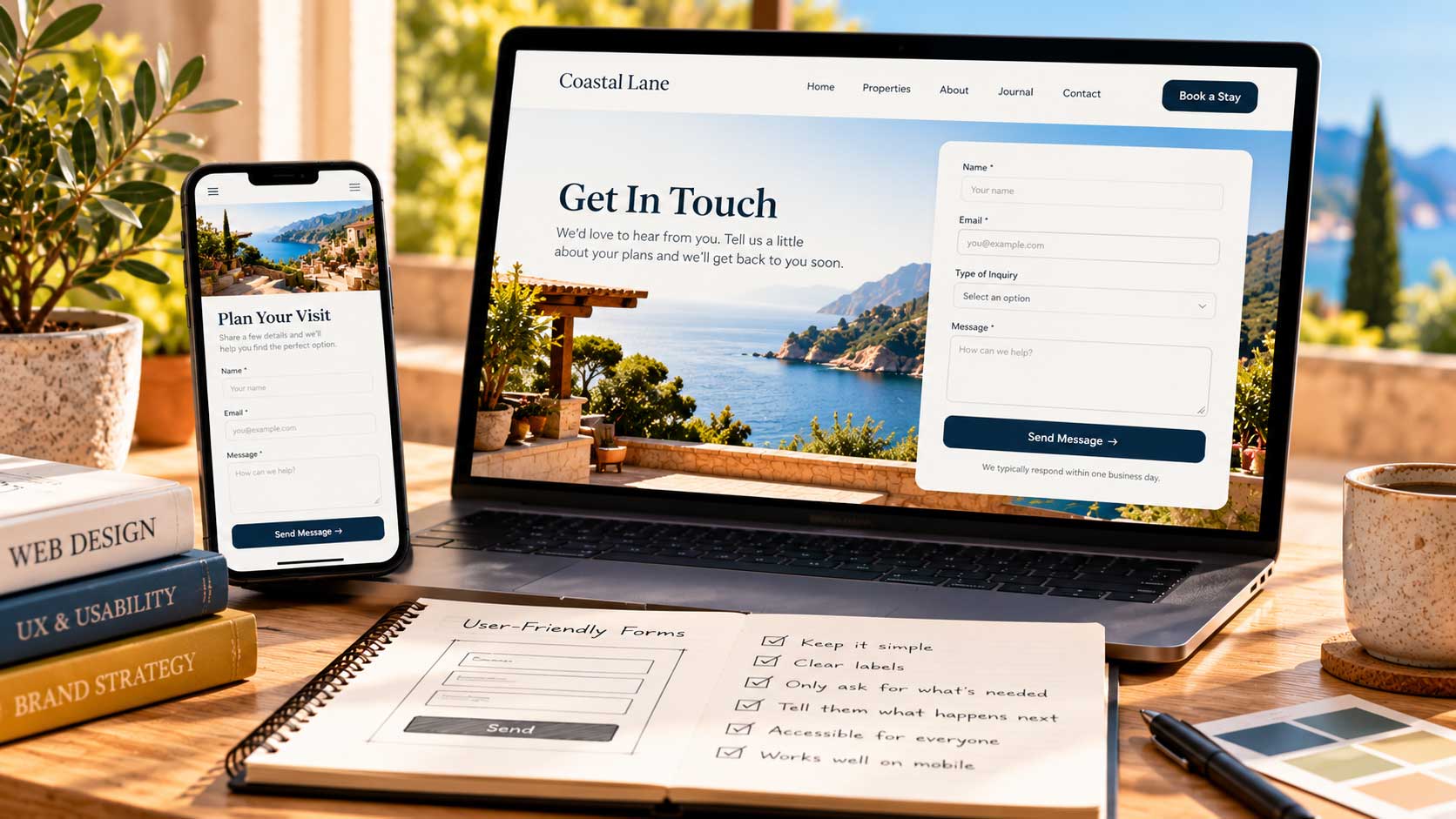
User-friendly forms. Every extra field is a reason for someone to give up. Airbnb’s contact and booking forms are simple and straightforward, asking only for what’s needed. Keep your forms short, label every field clearly, and tell people what happens after they press Send.
Interactive elements. Interaction can turn a visitor into a participant. Canva lets people design graphics right in the browser, which makes the experience engaging and creative. Even on a simple site, a calculator, a quiz, or a before-and-after slider can hold attention longer than static text.
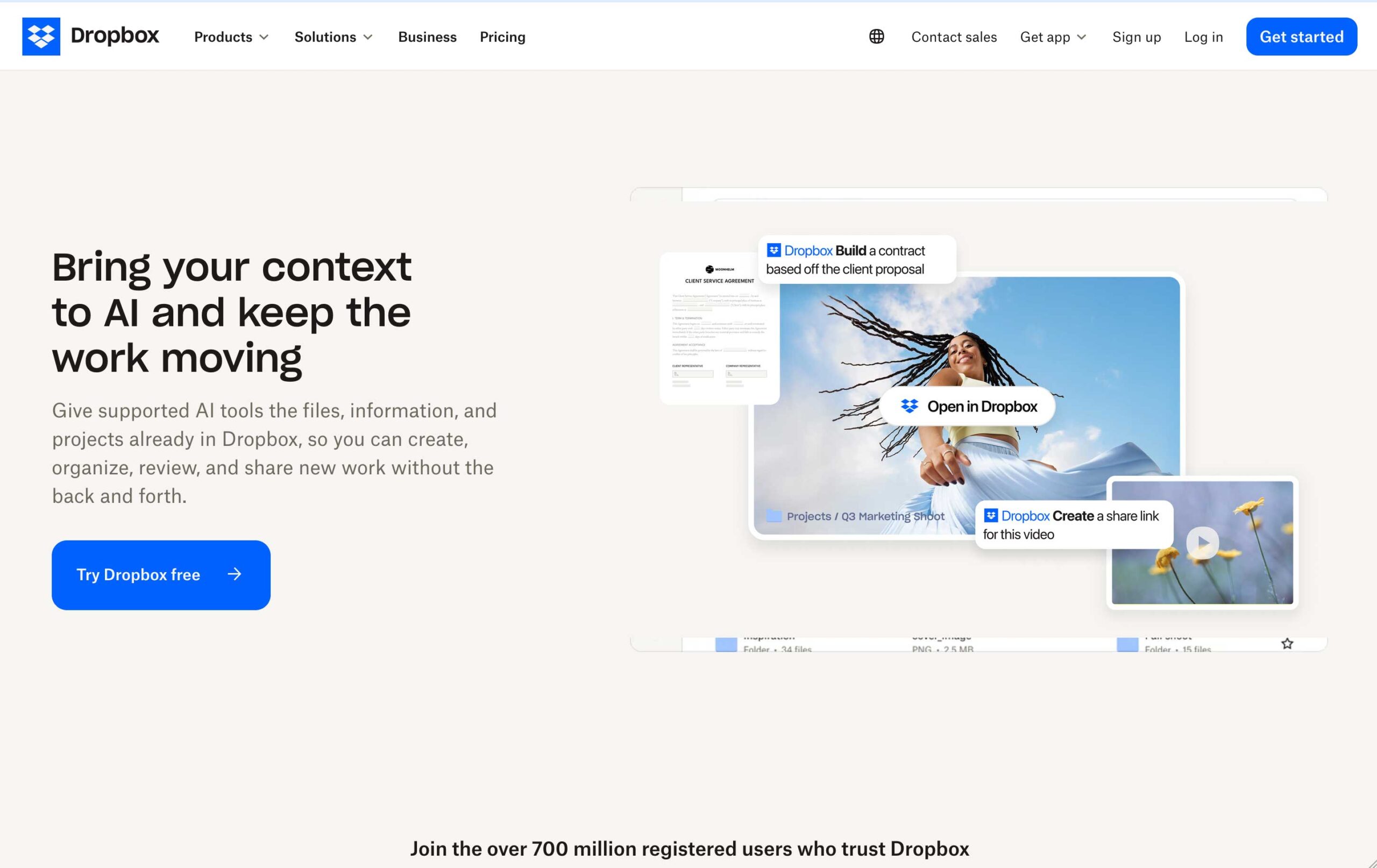
A clear call to action. Visitors need to know what you want them to do next. Dropbox’s homepage, for example, puts a single sign-up button front and center. Use one main call to action per page, make it look clickable, and write the button text as an action: “Book a call,” not “Submit.”
Accessibility. A website should work for everyone, including people who use screen readers, keyboard navigation, or larger text. The World Wide Web Consortium (W3C), which sets web standards, publishes clear guidelines on accessibility. Good contrast, descriptive link text, and alt text on images are easy places to start, and accessible sites are usually easier for everyone to use.
Fast loading times. Speed is part of design. Google’s own search homepage is a classic example of a page built to load almost instantly. Large images, heavy sliders, and too many plugins are the usual culprits on slow sites.
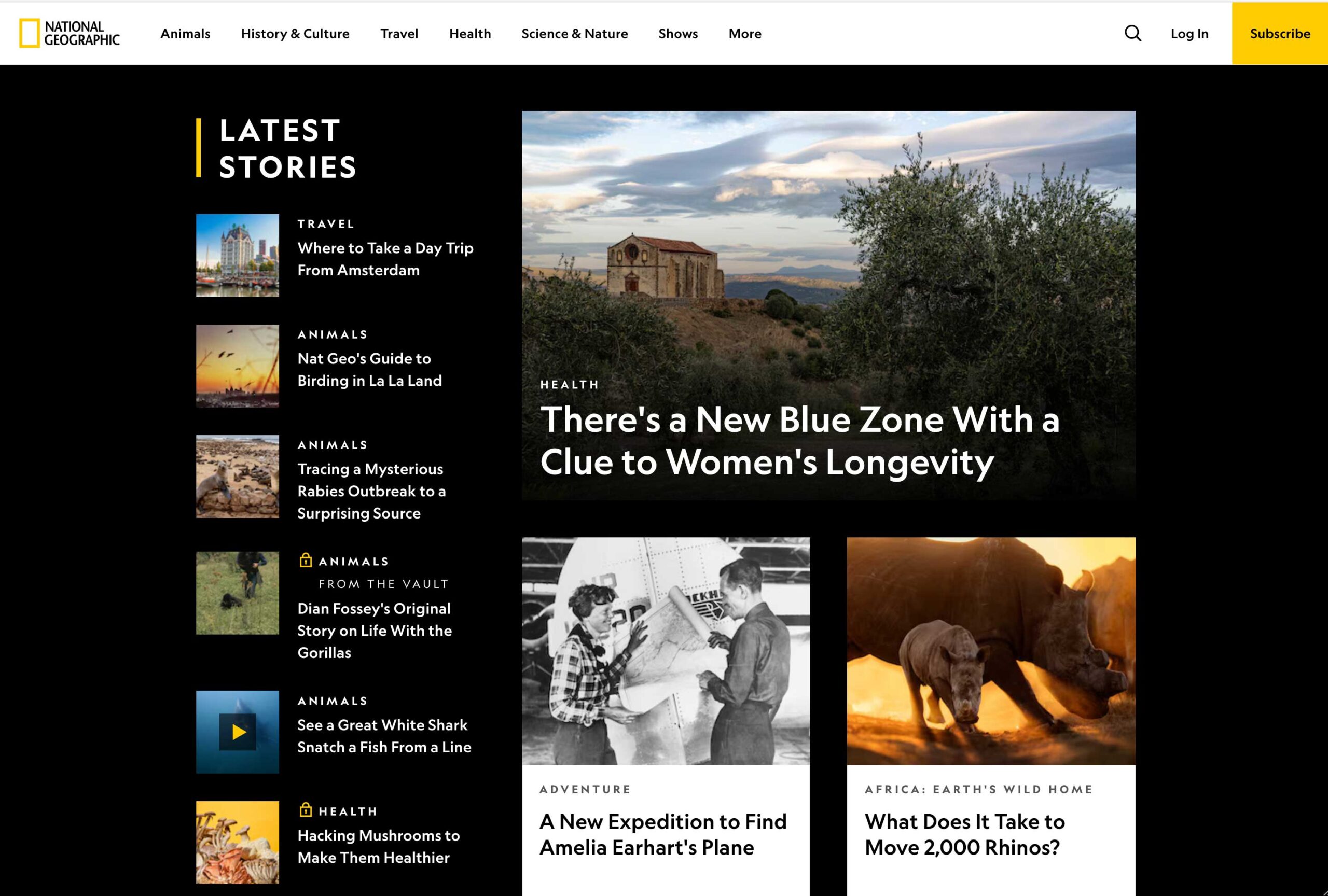
Engaging content presentation. How you present content matters as much as what you say. National Geographic pairs strong photography with compelling headlines, making each article feel worth opening.
For online shops, there’s one more: thorough product pages. Sites like Etsy combine detailed descriptions, customer reviews, and high-quality images so shoppers can buy with confidence.
These are examples, not a checklist. Your goals, your audience, and your content will shape which principles matter most. The most important habit is to keep testing and refining your site, so it keeps working for the people who actually use it.