

Effective web design isn’t one look or one style. It depends on the goals and content of each website. But the sites that work well tend to share a handful of clear principles, and once you know them, you start to see them everywhere.
This series breaks down those principles one topic at a time, combining art, science, and psychology. No coding experience is needed. Let’s start with the first six marks of an effective website.
Clear and intuitive navigation. Visitors should never have to hunt for what they came for. A restaurant website, for example, should have a prominent menu button that takes people straight to the dishes on offer. If people have to guess where to click, many won’t bother.

Responsive design. An effective website adapts to every screen size, from a large desktop monitor to a phone in someone’s hand. Large e-commerce sites like Amazon rearrange their layout for each device so the experience stays smooth wherever you shop.
Whitespace and typography. Empty space is not wasted space. Generous whitespace and well-chosen fonts make a page calm and readable. Medium is a good example: its clean layout and comfortable type make long articles pleasant to read.
Visual hierarchy. Good design guides the eye. Apple’s homepage typically leads with one prominent product image, followed by concise text and then supporting information. Your visitors should know instantly what matters most on the page.
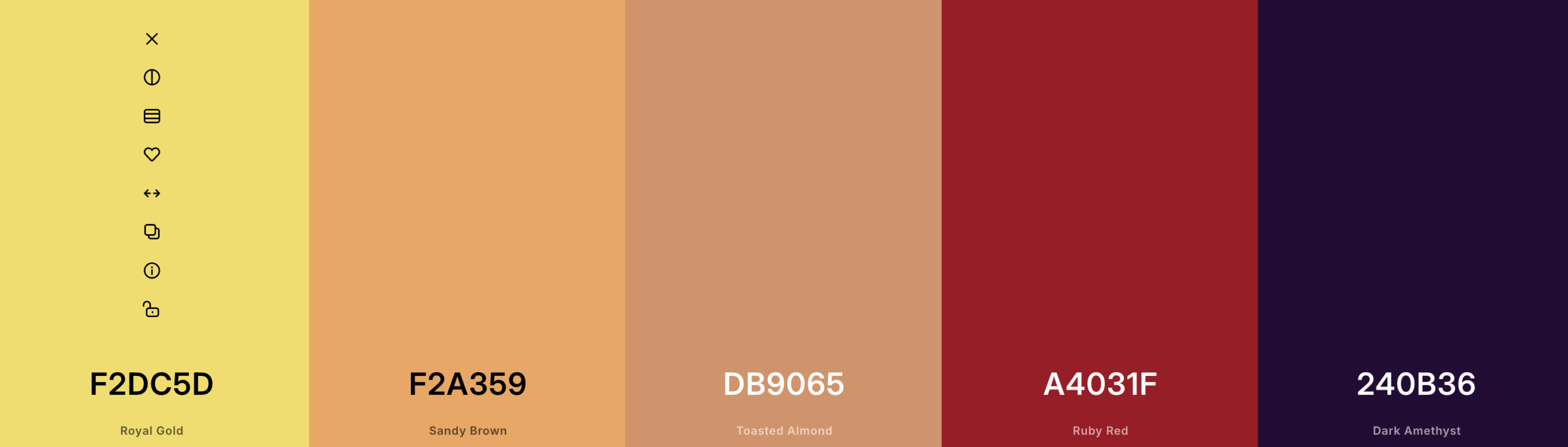
A considered color scheme. A cohesive palette makes a site feel intentional and trustworthy. You can easily pick color schemes now with sites like Coolors using ther free online color palette generator.
Consistency. Once visitors learn how your site works, keep it that way. News sites like The New York Times use a recognizable layout on every page, so readers always know where to find things.
None of these principles is complicated on its own. The skill lies in applying all of them together, in balance, for your particular audience. In the next post, we’ll look at six more marks of an effective website, from forms and calls to action to loading speed.